February marks The American Dental Association’s National Children’s Dental Health Month. The goal of this month is to raise awareness of the importance of children’s oral health as early childhood tooth decay has become the most common chronic childhood disease. Learn about the importance of starting a solid oral routine in infancy, and check out our best tips to keep your child’s smile healthy!
Your Child’s First Dental Visit
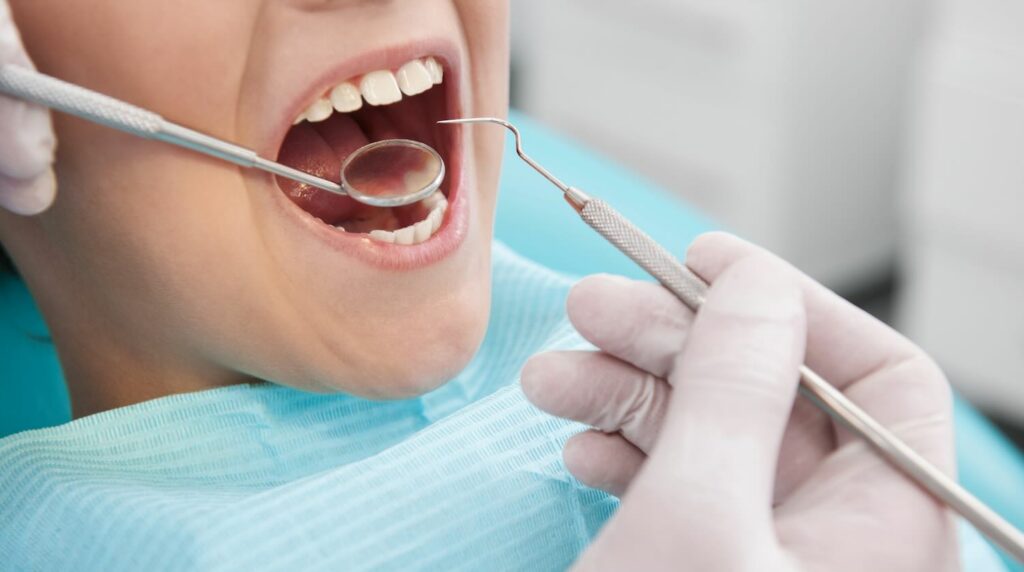
The first dental visit sets a precedent for a child’s oral health. New parents often question when they need to make their child’s first appointment. It is recommended that children see the dentist for the first time either when they get their first tooth or by their first birthday. During this visit, the dentist can examine the child’s mouth and gums and parents can address any additional dental concerns.
Protecting Your Child’s Baby Teeth
While children lose their baby teeth after eight or ten years, they play a crucial role in saving space for permanent teeth. Baby teeth affect children’s chewing, speaking and smiling and they also play a factor in overall health. Not maintaining a dental routine can cause tooth decay, which can lead to other health issues allowing bad bacteria to spread to new adult teeth.
Baby bottle tooth decay is a major oral health risk for infants and children under one. Consuming sugary liquid allows for bacteria which produces an acid that destroys the enamel on teeth. Eventually, this can lead to tooth decay. Children older than one who consume sugary drinks and food are also at risk of tooth decay. To keep their baby teeth healthy, be sure to brush and floss daily.
Maintaining Your Child’s Oral Health
Beginning good oral habits early on is crucial for healthy oral development. Here are some of our best tips to keep your little ones on track for a lifetime of happy smiles!
- Before any teeth appear, the baby’s gums should be cleaned daily with a damp washcloth
- Begin the habit of brushing with the first tooth. With an infant toothbrush, use water and a small amount of fluoride toothpaste (the size of a grain of rice)
- Routine check-ups should begin at the first tooth or first birthday. It is recommended to visit the dentist every six months
- Brush twice a day for two minutes. Children ages 2 – 6 need to use a pea-size amount of fluoride toothpaste with the supervision of a parent.
- Replace toothbrushes every three to four months, or when the bristles look frayed
- Add flossing to your daily routine once your child’s teeth touch
- Eat healthy snacks! Avoiding sugary substances like sports drinks, fruit snacks and sticky candies can reduce the likelihood of tooth decay. Instead, opt for snacks rich in calcium like cheese or yogurt.
- Stay hydrated! Choosing water over drinks loaded with sugar helps lower the chance of cavities.
If it’s time for your child’s next dental cleaning or if you have any concerns regarding your child’s oral health, contact Beall Dental Center!